ServicesOur treatment options.
You do not need to know which treatment type you need before calling. Most people start by describing what hurts, what changed, and what they are trying to get back to.
Care in practiceCare is shaped around the person on the table.
Dr. Lefebvre chooses from low-force, hands-on, and supportive treatment options based on the exam, the area involved, and what feels appropriate for each patient that day.
Activator Method
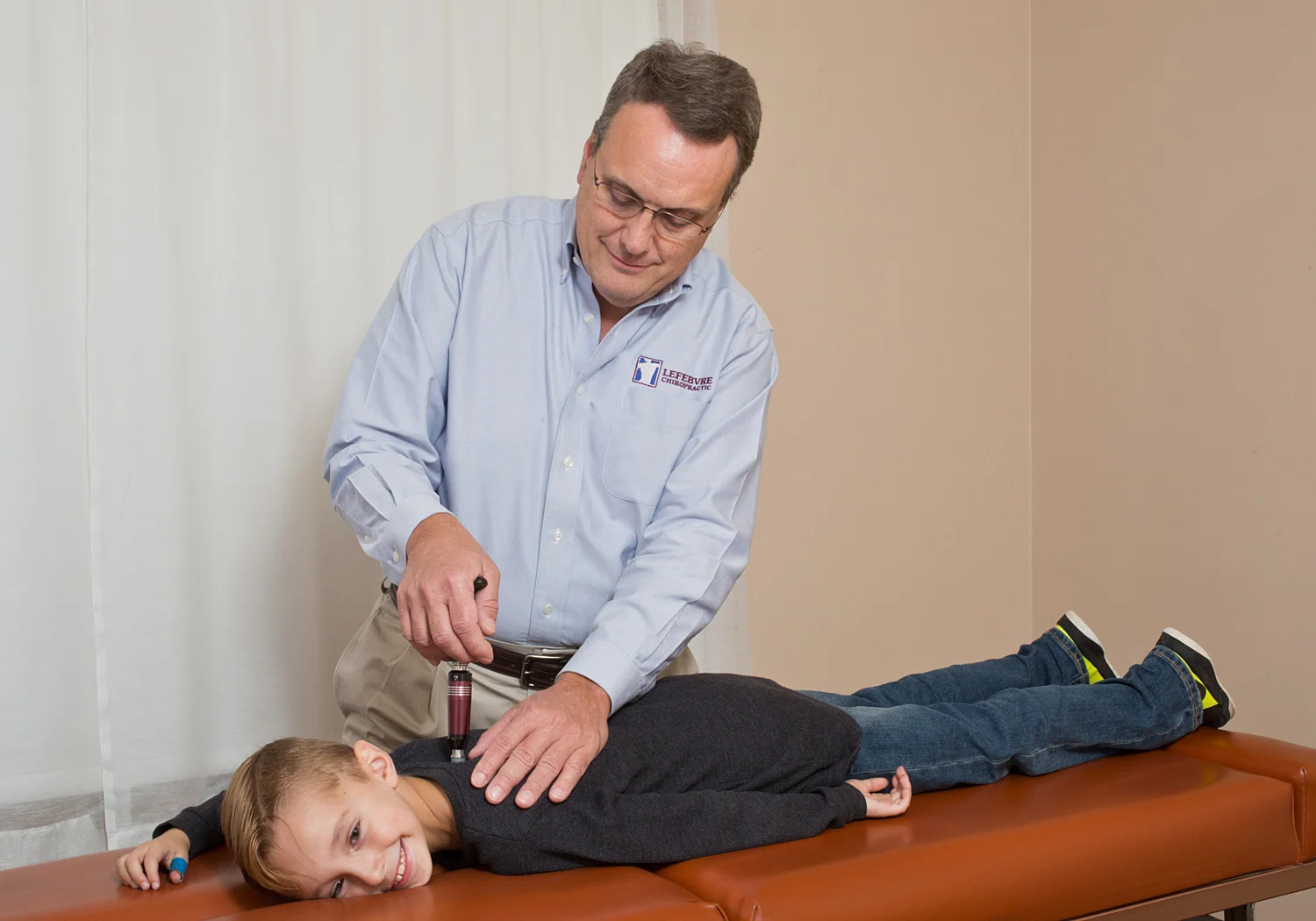
The Activator Method is a low-force way to deliver a chiropractic adjustment with a small handheld instrument. Instead of a stronger hands-on thrust, the instrument gives a quick, controlled impulse to a specific joint area. It may be used when a patient prefers a gentler approach, when an area is sensitive, or when Dr. Lefebvre wants to adjust a smaller area without much twisting or positioning. Dr. Lefebvre holds an Advanced Proficiency Rating in the Low-Force Activator Method.
Manual Manipulation
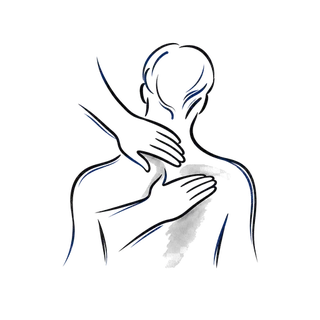
Manual manipulation is a hands-on chiropractic adjustment. Dr. Lefebvre uses his hands to guide a joint through a controlled movement when the exam suggests that restricted motion may be contributing to pain, stiffness, or reduced function. The goal is to help the joint move more normally and to reduce strain on the surrounding muscles. It is commonly considered for back or neck discomfort, posture-related stiffness, headaches connected to neck tension, and activity-related aches.
Electric Interferential Stimulation
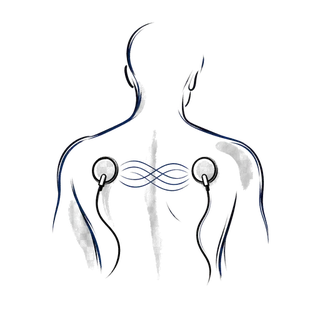
Electric interferential stimulation is a supportive therapy that uses soft pads on the skin to deliver mild electrical currents around the treatment area. The currents overlap in the tissues, creating a comfortable tingling or pulsing sensation. The theory is that this stimulation can compete with pain signals, encourage tight muscles to relax, and support local circulation. It is often used for back or neck pain, muscle spasms, sports or work-related strains, arthritis-type discomfort, and other localized flare-ups when calming the area may make movement and hands-on care easier.
Infrared Technology
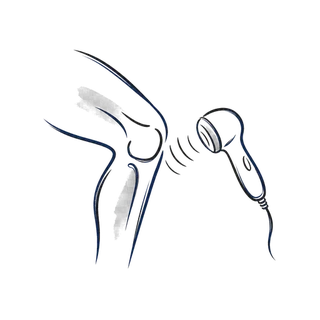
Infrared technology uses red or near-infrared light directed at a specific area of the body. The light is intended to be gentle and noninvasive. The theory is that certain wavelengths of light are absorbed by cells and may help them use energy more efficiently, support circulation in the area, and calm inflammatory activity. It is commonly used as a supportive option for localized soreness, stiff or irritated joints, tendon irritation, arthritis-type discomfort, carpal tunnel-type symptoms, and other areas where inflammation may be part of the problem.